A lot of educators today sell courses. Very few of them run a digital learning business. The distinction sounds semantic. It is not. Selling courses is a series of transactions on someone else's platform, always dependent on the next ad campaign, always vulnerable to the next algorithm change. A digital learning business is an asset that compounds, a brand, a customer base, a revenue stack, an operational system and an institutional library.
The path from one to the other is not about producing more courses. It is about building the layers around the courses that turn transactions into a business. Branding, monetisation, relationships, operations, growth and knowledge assets. Institutes that make the jump gain a durable business. Institutes that stay in course-seller mode plateau.
This piece walks through the six pillars of a real digital learning business and how Vacademy provides the operating layer for each.
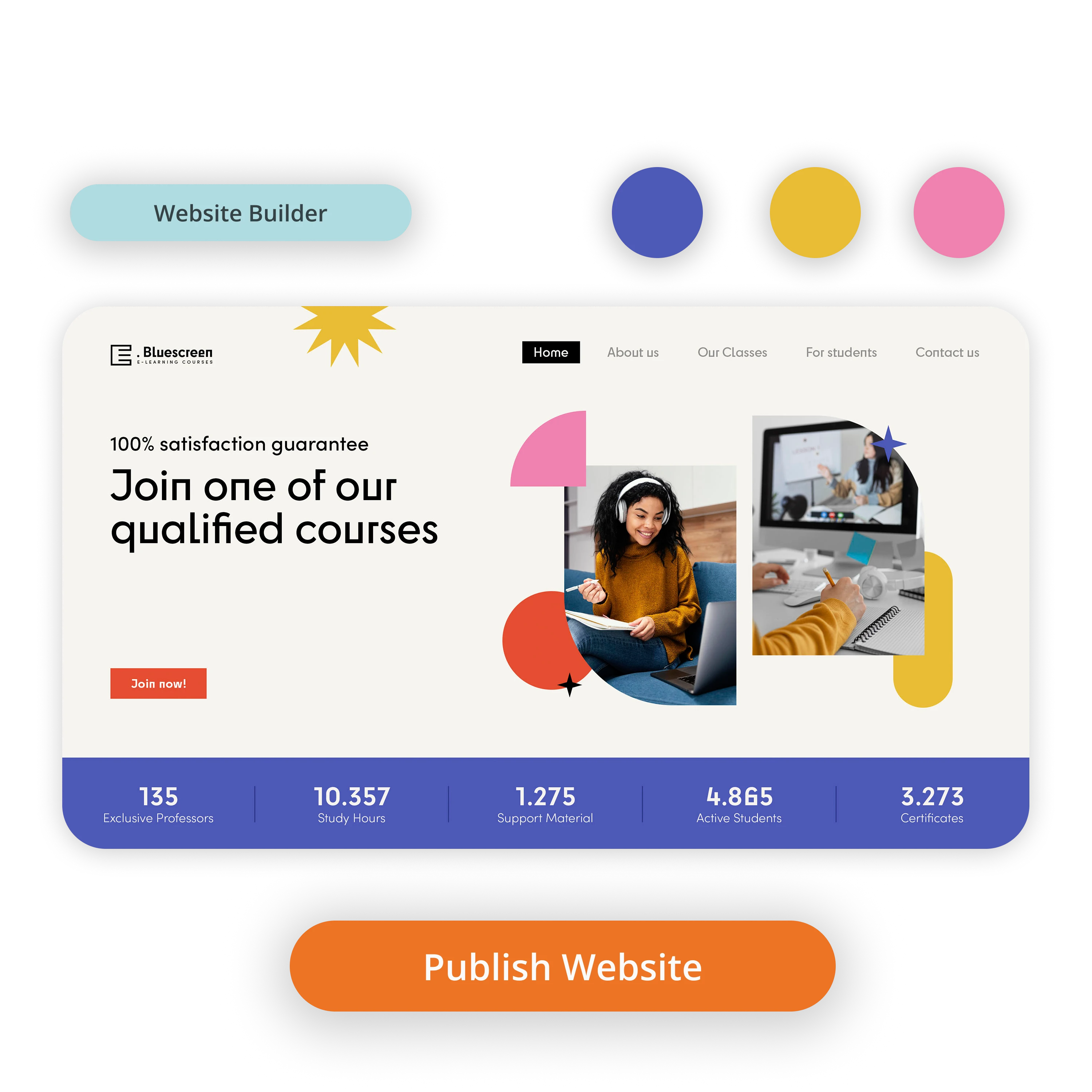
Six Pillars of a Real Digital Learning Business
A course seller has one or two of these. A business has all six operating together.
A Branded Learner Experience
Not a tile inside a marketplace, a real branded academy learners recognise and return to.
Multiple Monetisation Modes
One-time courses, memberships, corporate contracts, referral revenue. Diversified income, not a single product.
A Real Customer Relationship
Regular touchpoints, structured support, community engagement. Learners feel served, not sold to.
Automated Operations
Enrolment, reminders, follow-ups, renewals and reports run themselves. Growth stops adding weight.
Growth Playbook Beyond Ads
Referrals, memberships, corporate deals, partner channels. Diversified acquisition instead of paid-only.
Institutional Knowledge Assets
Course library, question banks, recordings, playbooks. Value that stays with the institute regardless of who teaches.
Course Seller Versus Learning Business
Same activity on the surface, very different operations underneath.
| Aspect | Course Seller | Learning Business on Vacademy |
|---|---|---|
| How they present themselves | Course pages on someone else's platform | Branded academy under their own domain |
| Revenue mix | Single course sales | Courses, memberships, corporate, referrals |
| Relationship with learners | Transactional | Ongoing, communal, renewing |
| Marketing engine | Paid ads for each launch | Community, referrals, retention compounding |
| Operations | Founder and a spreadsheet | Automated, dashboarded, resilient |
| What happens if the founder disappears | The business stops | The system keeps serving learners |
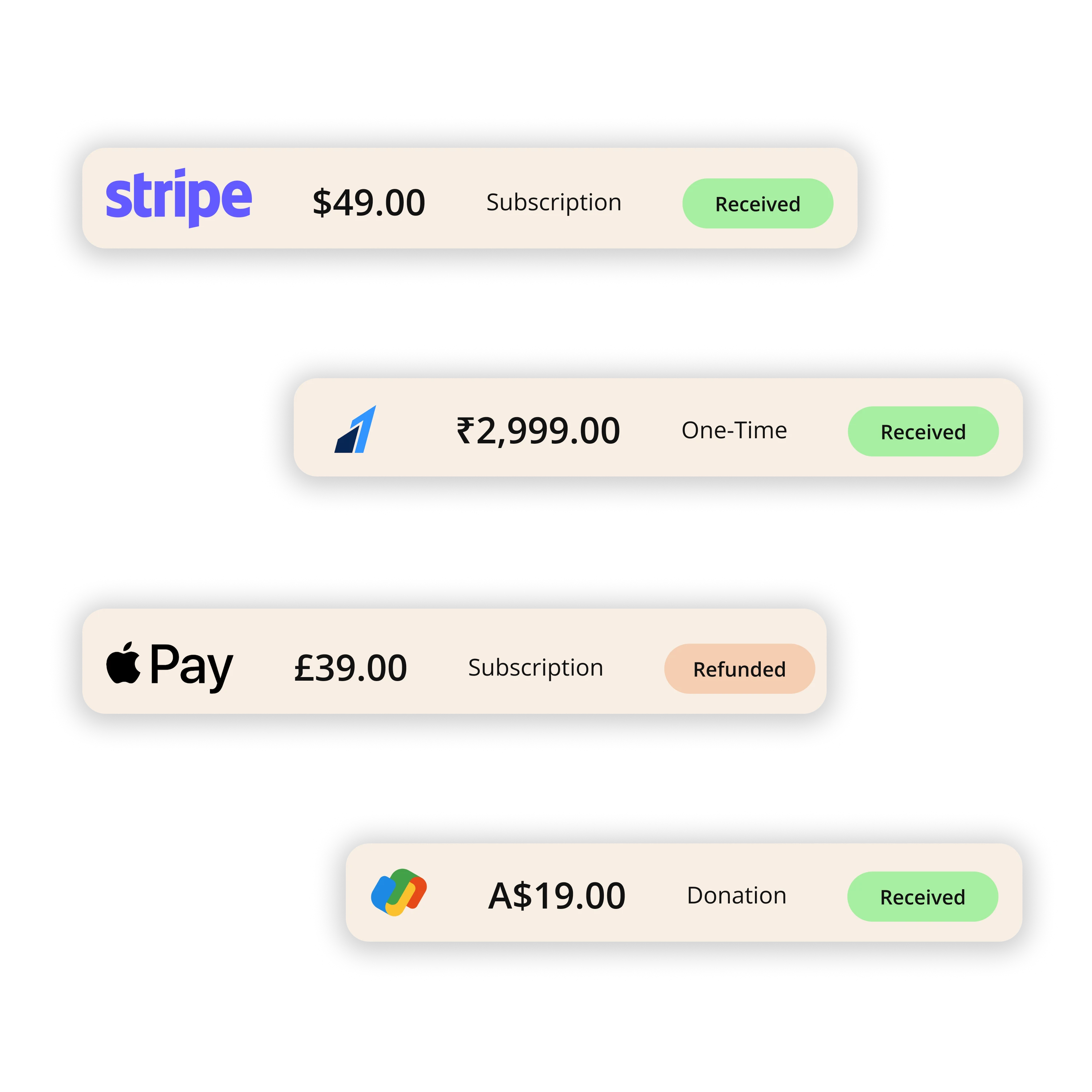
Revenue Mix Is What Turns a Course Seller Into a Business
The single biggest difference between a course seller and a learning business is revenue mix. Vacademy's payments module supports one-time fees, subscriptions, bulk billing and corporate contracts, so you diversify without stitching together external tools.
Six Moves to Make the Jump
Each one takes a course seller a step closer to a real business.
Launch a Branded Academy
Move learners from third-party platforms and DMs into a branded portal and mobile app they see every day.
Introduce Recurring Revenue
Membership tiers, monthly community access, structured cohorts. Turn one-time buyers into monthly revenue.
Open a Corporate Channel
Bulk billing, corporate certification tracks and enterprise dashboards to sell the same learning to companies at scale.
Turn Learners Into Referrers
Referral programmes, community stages and public certification pages that let happy learners bring you new ones.
Build the Institutional Library
Move content, question banks and recordings into structured platform assets that survive any staff transition.
Measure Business Metrics, Not Just Course Metrics
Renewal, retention, LTV, corporate contracts, community engagement. Business dashboards, not just class attendance.
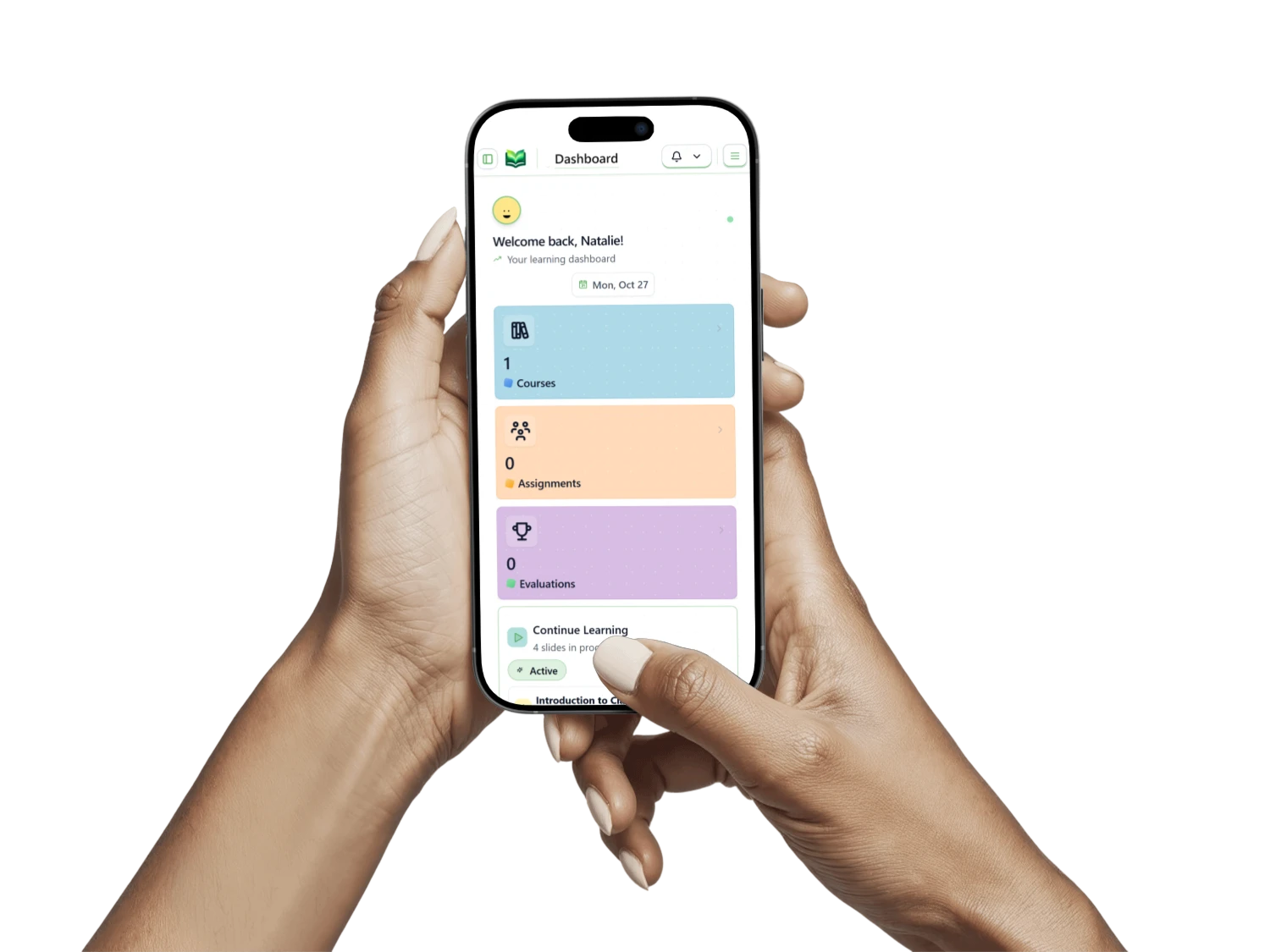
The Mobile App Is Where the Business Lives
A course seller is a URL. A learning business is a habit. A branded mobile app on the learner's home screen turns your institute from a URL into a daily presence, which is the foundation of recurring revenue and community.
Course Creation Is a Skill, Business Building Is a System
The best educators can produce excellent courses. Building a business on top of them is a different discipline. It needs branding, monetisation, community, operations, growth and knowledge assets working together. Course creators who never make the jump often burn out. Course creators who do, build long-lasting institutes.
Vacademy is built to be the operating layer for that jump. Everything the transition needs, branded portal, mobile app, payments, CRM, live classes, community, analytics, in one platform.
Move Beyond Course Creation This Quarter
Walk through your current model with the Vacademy team. We will help you sequence the moves that turn course sales into a real digital learning business.
Frequently Asked Questions
Do I need to stop selling one-off courses?
No. One-off courses stay part of the mix. The point is to add the other layers, memberships, corporate, community, on top so you are not dependent on any single product.
What is the first thing to add?
Usually a branded portal and mobile app, so learners recognise you outside a course purchase. Recurring revenue follows more easily once the brand experience exists.
Do I need a big team for this?
No. Vacademy is built so a small team can operate multiple monetisation modes under one platform. Most institutes make the jump with the team they already have.
Will corporate customers really pay us?
If your content and outcomes are strong, yes. Vacademy supports bulk billing, corporate certification and enterprise dashboards that make selling to companies practical.
How long does this transition take?
Most institutes see meaningful mix shift in one to two quarters after moving onto Vacademy, driven by the mobile app, memberships and improved retention.